
Fourth of July Pet Emergencies: Keeping Dogs and Cats Safe
Fourth of July Pet Emergencies: Keeping Dogs and Cats Safe
As the Fourth of July approaches, many San Diego families look forward to fireworks, backyard barbecues, and time outdoors with loved ones—including their pets. But for dogs and cats, holiday celebrations often bring hidden dangers that can quickly turn a joyful evening into an emergency. At Wag Animal ER, located at 12880 Rancho Peñasquitos Blvd Suite B, San Diego, CA 92129, our mission is to provide compassionate, expert emergency care to pets and reassurance to their families—especially during life’s most urgent moments.
Walk-ins are always welcome at Wag Animal ER, and you never need an appointment to seek help for your pet. We are here overnight, on weekends, and during holidays when your regular vet may be closed, ensuring your dog or cat can get immediate care whenever a crisis arises. In this blog, we will guide you through common Fourth of July pet emergencies, how to recognize warning signs, what causes these issues, how we treat them, and, most importantly, how you can help keep your furry family members safe so everyone can enjoy the holiday together.
Recognizing Fourth of July Emergencies in Dogs and Cats
Knowing what to watch for is the first step in protecting your pet during holiday festivities. The most common emergencies seen around the Fourth of July involve noise anxiety, escape attempts, burns, toxic ingestions, and injuries from unfamiliar environments or foods.
Key symptoms of noise anxiety include shaking, panting, hiding, drooling, pacing, whining, or attempting to escape. Pets who are frightened may try to bolt through doors, jump fences, or break out of crates, sometimes resulting in traumatic injuries or getting lost. Signs of heatstroke—another frequent summer emergency—are excessive panting, drooling, weakness, vomiting, diarrhea, or collapse. If your pet eats something they shouldn’t, such as barbecue scraps, alcohol, chocolate, or foods containing xylitol, you may notice vomiting, diarrhea, drooling, tremors, or seizures. Burns from fireworks or hot grills typically present as red, blistered, or painful areas on the skin. Additionally, foxtail awns in San Diego can become embedded in paws, noses, or ears, leading to sudden limping, sneezing, shaking the head, or swelling.
If you observe any of these signs, your dog or cat may need urgent medical attention. Do not wait to see if symptoms improve on their own; early intervention often leads to the best outcomes.
Why Are Fourth of July Celebrations Risky for Pets?
The combination of loud noises, crowds, unfamiliar foods, and changes in routine can create a perfect storm for pet emergencies. Fireworks are particularly problematic, as even well-adjusted pets may become terrified by the sudden, unpredictable sounds and bright flashes. In San Diego, fireworks displays are common throughout the city and surrounding communities, meaning the risk extends beyond just the main event.
Barbecues and parties often introduce tempting but dangerous foods—grilled meats with bones, onions, corn cobs, chocolate desserts, and drinks containing alcohol or artificial sweeteners like xylitol. Dogs and cats can quickly ingest something toxic or develop gastrointestinal upset from rich or fatty foods. At the same time, open doors and gates during gatherings create opportunities for pets to slip outside unnoticed, increasing the risk of being lost or injured.
Outdoor environments can also expose pets to hazards like hot pavement, open flames, sparklers, and foxtail grasses. Foxtails are notorious in Southern California for burrowing into ears, noses, or skin, causing pain and infection. Even normally calm pets may panic and run if startled by fireworks or large crowds, putting them at risk for trauma or getting lost.
In short, the excitement and chaos of the holiday can overwhelm pets, making it all too easy for accidents to happen.
Emergency Treatment and What to Expect at Wag Animal ER
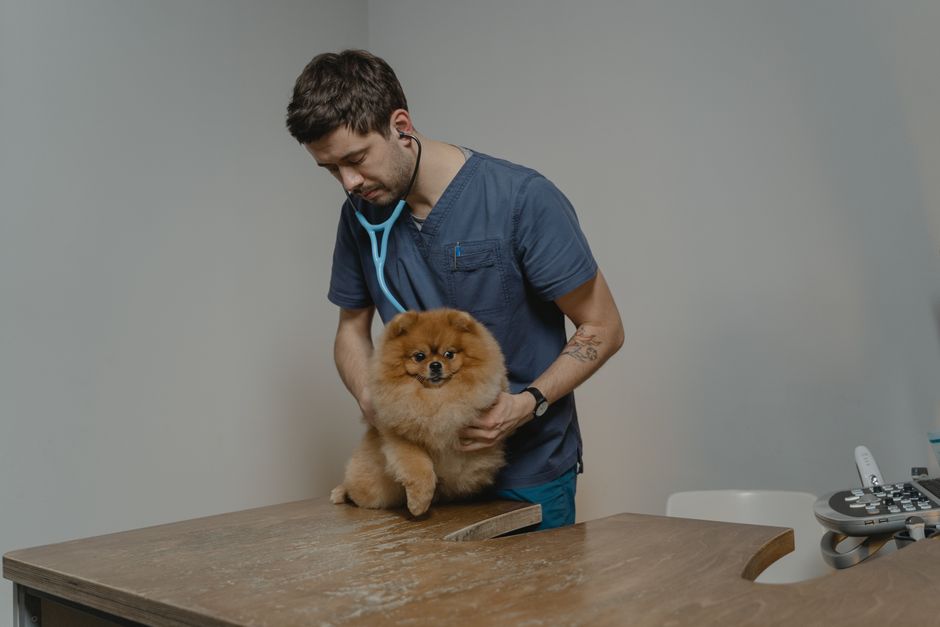
When a pet arrives at Wag Animal ER with a Fourth of July emergency, our veterinary team acts quickly to assess and stabilize your companion. For noise anxiety and panic, we provide a calm, quiet environment and may administer sedatives or anti-anxiety medications if necessary. If your pet has escaped and suffered injuries, treatment may involve wound care, pain management, or even surgery for serious trauma.
For heatstroke, prompt cooling, intravenous fluids, and monitoring are critical. Our veterinarians have access to advanced diagnostics, including digital radiology, ultrasound, and a full in-house laboratory, so we can detect internal injuries, infections, or complications from toxin exposure right away.
If your dog or cat has eaten something harmful, we may induce vomiting, administer activated charcoal, or provide antidotes and supportive care as needed. Our emergency veterinary care services are designed to treat a wide range of crises, from toxin ingestion to lacerations, burns, and complications from fireworks or outdoor hazards. In cases involving severe gastrointestinal distress or ingestion of foreign objects, surgery may be required.
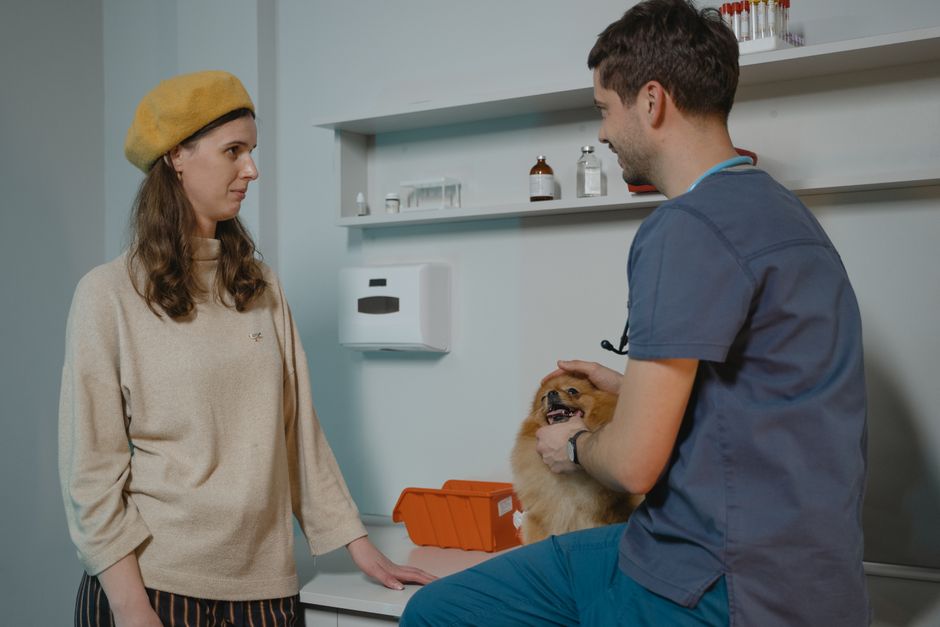
We understand how frightening these situations can be for pet owners, so our veterinary professionals will keep you informed every step of the way and provide compassionate care not only for your pet, but also for your family.
How to Prevent Fourth of July Emergencies at Home
Preparation is the key to keeping your dog or cat safe during the holiday. Start by creating a safe space indoors where your pet feels secure; this might be a quiet room with closed windows and doors, comfortable bedding, and soothing music to mask outside noise. Make sure your pet’s identification tags and microchip information are up to date, as frightened animals can escape even from seemingly secure homes.
During barbecues and parties, keep pets away from grills, open flames, and food tables. Remind guests not to feed your dog or cat table scraps or snacks, and store all trash in pet-proof containers. Be especially vigilant about foods that are toxic to pets, such as chocolate, grapes, onions, garlic, and anything sweetened with xylitol.
If fireworks are part of your neighborhood’s celebration, walk your dog early in the evening before festivities begin, and keep cats indoors well before dusk. Close curtains, play calming music, and stay nearby to provide comfort if your pet becomes anxious. For pets with a history of severe noise phobia, talk with your family veterinarian in advance about medications or supplements that can help.
Inspect your yard for foxtails and remove them regularly, especially in high-risk areas. If you’re hosting guests, make sure everyone knows to keep doors and gates closed to prevent escape attempts. Never leave your pet unattended outdoors on the Fourth of July, even for a short time.
When to Bring Your Pet to an Emergency Clinic
Certain situations require immediate attention from an emergency vet. If your dog or cat is having trouble breathing, collapses, suffers a burn, is actively vomiting or having seizures, or has ingested a known toxin, bring them to Wag Animal ER right away—no appointment needed. Other urgent signs include uncontrolled bleeding, severe pain, sudden difficulty walking, or any change in behavior that suggests distress or confusion.
If you are ever unsure whether your pet needs emergency care, it is always safer to err on the side of caution. Our team is ready to help when your regular veterinarian is closed, including overnight, weekends, and holidays. You can reach us any time during these critical hours, and walk-ins are always welcome.
For cases of suspected poisoning, you can also refer to the pet toxin and poison ingestion information on our website for additional guidance, but please do not delay in seeking immediate care if your dog or cat is showing symptoms.
Keeping San Diego Pets Safe: Our Commitment to Your Family
At Wag Animal ER, we know your dog or cat is part of your family, and we are dedicated to being there when you need us most—especially during the busy Fourth of July holiday. By understanding the risks, recognizing the warning signs, and acting quickly, you can help your pet stay safe and healthy all summer long.
If you ever need an emergency vet near me in San Diego or the surrounding communities, our veterinary team is standing by to offer expert, compassionate care. Walk-ins are always welcome, and you never need an appointment—just bring your pet to our hospital at 12880 Rancho Peñasquitos Blvd Suite B, San Diego, CA 92129, or call us at (858) 877-9301 for guidance.
From all of us at Wag Animal ER, we wish you and your pets a safe, happy, and healthy Fourth of July. If you ever face an emergency, remember that we are here to help—day or night, holiday or weekend, whenever your pet needs us most.
For more information about our emergency services or to learn about specific situations like toxin ingestion, please visit our emergency care and toxin and poison ingestion pages. Always consult with a veterinary professional if you have concerns about your pet’s health or safety.