
Heatstroke in San Diego Pets: Emergency Signs and What to Do
Heatstroke in San Diego Pets: Emergency Signs and What to Do
San Diego’s beautiful climate makes outdoor adventures with your pets a year-round delight, but our warm summer days—especially in June—bring a serious risk: heatstroke. If you’ve ever worried about how quickly your dog or cat could overheat during a walk, car ride, or even at home, you’re not alone. At Wag Animal ER, located at 12880 Rancho Penasquitos Blvd A & B, San Diego, CA, 92129, our emergency veterinary team is committed to helping you recognize the warning signs of heatstroke, know exactly what to do in a crisis, and keep your beloved pets safe all summer long.
Heat-related emergencies can strike fast and are always frightening. That’s why our hospital welcomes walk-ins and does not require an appointment—so you can seek help immediately, even when your regular veterinarian may not be available. In this blog, you’ll learn how to spot the early and advanced symptoms of heatstroke in dogs and cats, discover what causes this dangerous condition, understand how emergency care is provided, and get actionable tips on prevention. You’ll also find clear guidance for when to head straight to Wag Animal ER for life-saving care. Whether you live in San Diego or the surrounding communities, our priority is your pet’s well-being during life’s most urgent moments.
Recognizing Heatstroke in Dogs and Cats: Signs Every Pet Owner Should Know
Heatstroke in pets is a true emergency. Early recognition of the signs can be the difference between a full recovery and a life-threatening crisis. Dogs and cats rely on panting and limited sweat glands to cool themselves, making them especially vulnerable during heat waves, high humidity, or even brief periods in a hot environment.
Key symptoms of heatstroke in pets include excessive panting, drooling, bright red gums, rapid heartbeat, and restlessness. As the condition worsens, you may notice signs like vomiting, diarrhea—sometimes with blood—staggering or weakness, confusion, and glassy eyes. In severe cases, pets can collapse, have seizures, or lose consciousness. Cats may not pant as obviously as dogs; instead, they often hide, seem lethargic, or show rapid breathing with their mouth open.
It’s important to remember that flat-faced breeds like Bulldogs, Pugs, and Persian cats, as well as elderly pets, puppies, kittens, and those with chronic illnesses, are at higher risk. If your pet is acting out of character after being in the heat, don’t wait—heatstroke can progress shockingly fast.
What Causes Heatstroke in San Diego Pets?
Understanding why heatstroke occurs helps prevent it. The primary cause is exposure to high temperatures, especially when combined with humidity, poor ventilation, or lack of water. In San Diego, this often happens during warm afternoons, particularly in June when temperatures can rise quickly.
Common scenarios that lead to heatstroke include pets left inside vehicles, even for a short time, vigorous exercise or play during the hottest parts of the day, confinement in poorly ventilated areas such as garages or sunrooms, and inadequate shade or water during outdoor activities. Asphalt and sand can also become dangerously hot, contributing to overheating and burned paws.
Pets with thick coats, overweight animals, and certain breeds with shortened snouts are more susceptible. Even indoor cats can develop heatstroke if the home becomes excessively warm during a heatwave or if air conditioning fails.
Emergency Treatment for Heatstroke: What to Expect at Wag Animal ER
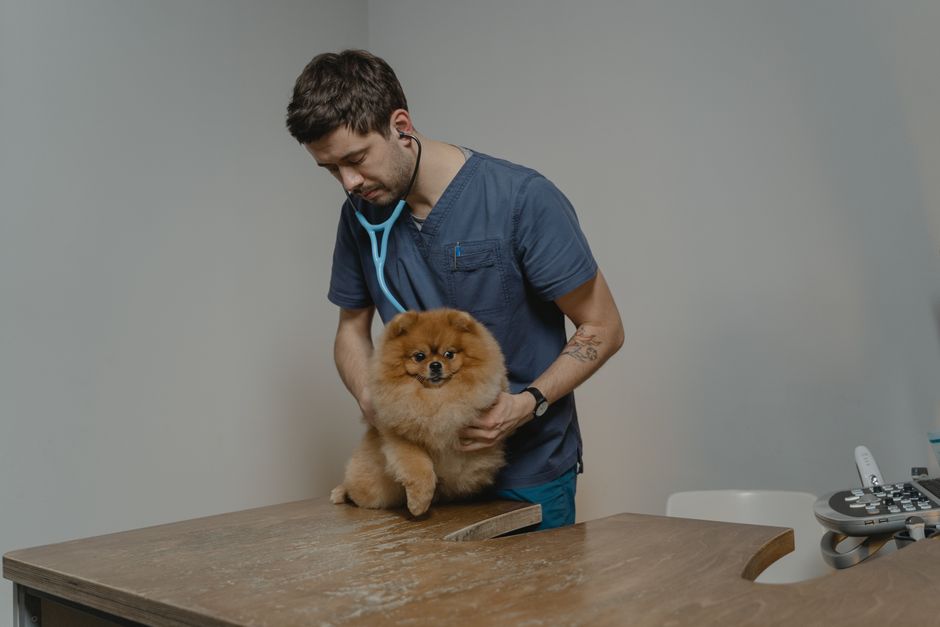
If you suspect your dog or cat is suffering from heatstroke, immediate action is crucial. At Wag Animal ER, our veterinary team is trained to handle these emergencies swiftly and compassionately. When you arrive at our San Diego hospital—no appointment needed—your pet will be triaged right away so we can assess the severity of their condition.
Initial treatment involves safely lowering your pet’s body temperature. This is done by applying cool (not cold) wet towels, using fans, and administering intravenous fluids to restore hydration and support vital organs. Our veterinarians monitor your pet’s heart rate, breathing, and internal temperature throughout the process, adjusting care as needed to avoid dropping their temperature too quickly, which can cause additional complications.
In more severe cases, oxygen therapy, medications to control seizures or shock, and advanced monitoring are provided. Blood tests may be needed to assess organ function and check for complications like clotting disorders or kidney damage. Throughout your pet’s stay, we keep you informed and involved, ensuring you have the support and guidance you need during this stressful time.
Preventing Heatstroke: How to Keep Your Pet Safe This Summer
The best way to protect your dog or cat from heatstroke is prevention. Simple, proactive steps include always providing fresh water and shade when your pet is outdoors, limiting exercise to cooler morning or evening hours, and never leaving pets unattended in vehicles, even with the windows cracked.
On especially warm days, consider indoor activities or cooling mats for your pet. For walks, check the pavement with your hand; if it’s too hot for you, it’s too hot for their paws. Monitor your pet’s behavior closely during play and take breaks in the shade. For flat-faced breeds, elderly pets, or those with health conditions, extra caution is needed—these pets may require shorter walks and more frequent checks for signs of overheating.
If you notice your home heating up, use fans or air conditioning to maintain a safe temperature for indoor cats and dogs. Keep curtains closed on sunny windows, and offer cool resting spots throughout your home. During San Diego’s hot spells, it’s better to reschedule grooming appointments that involve shaving double-coated breeds, as these coats can actually help insulate against heat.
When to Bring Your Pet to Wag Animal ER for Emergency Care
Heatstroke is a medical emergency that cannot wait for a regular veterinary appointment. If your dog or cat is showing any signs of heat-related distress—such as excessive panting, drooling, lethargy, vomiting, staggering, or collapse—immediate action is necessary. Begin cooling your pet with cool, wet towels and move them to a shaded, ventilated area while you prepare to bring them to the nearest emergency hospital.
It’s vital to avoid using ice-cold water or ice packs, as rapid cooling can lead to shock. Focus on gentle cooling and seek veterinary care as soon as possible. At Wag Animal ER, walk-ins are always welcome and no appointment is needed, so you never have to hesitate in an emergency. Our veterinary team is available during off-hours, evenings, weekends, and whenever your regular veterinarian may be closed, providing life-saving care when your family needs it most.
If you’re unsure whether your pet’s symptoms require emergency attention, it’s always better to err on the side of caution—heatstroke can rapidly become fatal if not treated quickly. Bring your pet to our San Diego location without delay.
Protecting Your Furry Family: Trust Wag Animal ER in San Diego
San Diego’s warm climate makes summer safety a top priority for all pet owners. By recognizing the early signs of heatstroke, understanding what causes it, and acting quickly, you can protect your dog or cat from this life-threatening emergency. Remember to keep water available, avoid the hottest parts of the day, and never leave your pet in a vehicle or unventilated space.
If a heat-related emergency does arise, Wag Animal ER at 12880 Rancho Penasquitos Blvd A & B, San Diego, CA, 92129 is here to help—walk-ins are always welcome, and no appointment is needed. Our compassionate veterinary team is dedicated to providing expert, immediate care for your pet, day or night, whenever emergencies happen. If you’re searching for an emergency vet near me in San Diego and surrounding communities, look no further than Wag Animal ER.
If your pet is showing signs of heatstroke or you have questions about summer safety, don’t wait—call us at (858) 877-9393 or visit our emergency hospital for urgent assistance. Your pet’s health is our family’s top priority, and we’re here to support you through every urgent moment with comfort, compassion, and skilled emergency care.
This blog is intended for informational purposes only and should not replace professional veterinary advice. If you believe your pet is experiencing a medical emergency, seek immediate care from a veterinary professional.