
Recognizing Signs of Pain in Dogs and Cats During Emergencies

Recognizing Signs of Pain in Dogs and Cats During Emergencies
When your dog or cat suddenly seems “off,” it’s natural to worry—especially if you’re not sure whether it’s a true emergency. At Wag Animal ER, located in the heart of San Diego, we know how overwhelming it can feel when your beloved pet is hurting or acting strangely. Our mission is to offer comfort, compassion, and expert care to families facing urgent pet health concerns across San Diego and surrounding communities. Whether your regular veterinarian is closed or you’re facing an unexpected crisis, our doors are open—walk-ins are always welcome, and no appointment is needed. This post will guide you through how to recognize the signs of pain in dogs and cats during emergencies, what causes these issues, what to do at home, and most importantly, when to seek immediate veterinary care. Your peace of mind, and your pet’s wellbeing, are always our top priorities.
How to Recognize Pain in Dogs and Cats: What to Watch For
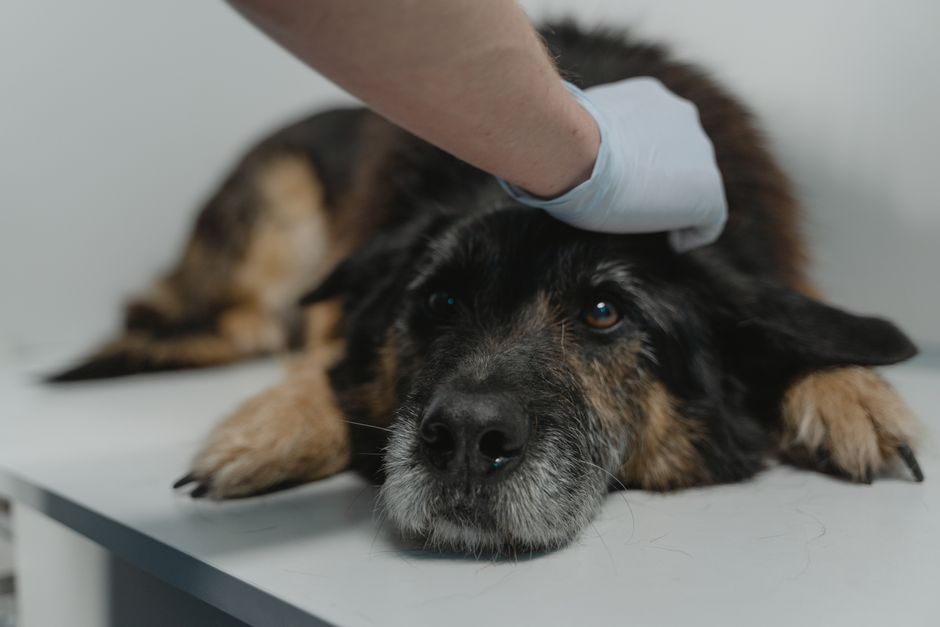
Pain in pets can be surprisingly subtle, especially in cats and stoic dogs who may try to hide discomfort. Recognizing early and advanced signs is key to getting your pet the urgent help they need. Some of the most common signs of pain in dogs include whining, whimpering, limping, reluctance to move, rapid or shallow breathing, excessive panting, changes in posture, or guarding a body part. Cats, on the other hand, often show pain by hiding, withdrawing from family, vocalizing more than usual, hissing, flattening their ears, or suddenly avoiding the litter box. In both species, you might notice restlessness, rapid heart rate, reduced appetite, or changes in grooming habits.
More severe signs that suggest a true emergency include sudden collapse, vocalizing in distress, rapid or labored breathing, inability to stand, bleeding that won’t stop, obvious broken bones, or severe abdominal swelling. If your dog yelps unexpectedly when touched or your cat cries out while jumping down from a surface, pain is likely significant and urgent. Sometimes, pain is the main sign of a serious underlying issue such as a urinary blockage in male cats, bloat in large breed dogs, or internal injuries after trauma.
It’s important to remember that each pet is unique. Some dogs may become clingy while others want to be left alone. Cats often become withdrawn or even aggressive if handled. If you notice any sudden, dramatic, or persistent change in your pet’s behavior or comfort, it’s safest to assume they could be in pain and need urgent assessment.
Why Do Dogs and Cats Experience Sudden Pain? Common Emergency Causes
Pain in pets can arise from a wide variety of causes, many of which require emergency attention. In dogs, traumatic injuries such as being hit by a car, animal bites, or falling from a height frequently result in broken bones, wounds, or internal bleeding. Acute abdominal pain may be caused by life-threatening conditions like gastric dilatation-volvulus (bloat), pancreatitis, or ingestion of a foreign object. Other emergencies include urinary blockages, severe dental abscesses, or toxin ingestion, such as chocolate, certain plants, or medications.
Cats often hide illness until it becomes severe. Sudden pain in cats may signal a blocked bladder (especially in male cats), severe dental disease, falls from windows or balconies (“high-rise syndrome”), or internal injuries from play or fights. Toxin exposures, such as lilies or household cleaners, can also cause severe pain and organ damage. Wounds from cat fights, abscesses, or even swallowed “foxtails” can cause acute discomfort.
In both dogs and cats, underlying medical conditions such as arthritis, spinal injuries, or cancer can become suddenly worse and lead to an emergency. Pets may also experience pain post-surgery, after trauma, or if a chronic condition suddenly flares. Understanding the possible causes helps you act quickly when something seems wrong.
How Emergency Veterinarians Treat Pain in Dogs and Cats
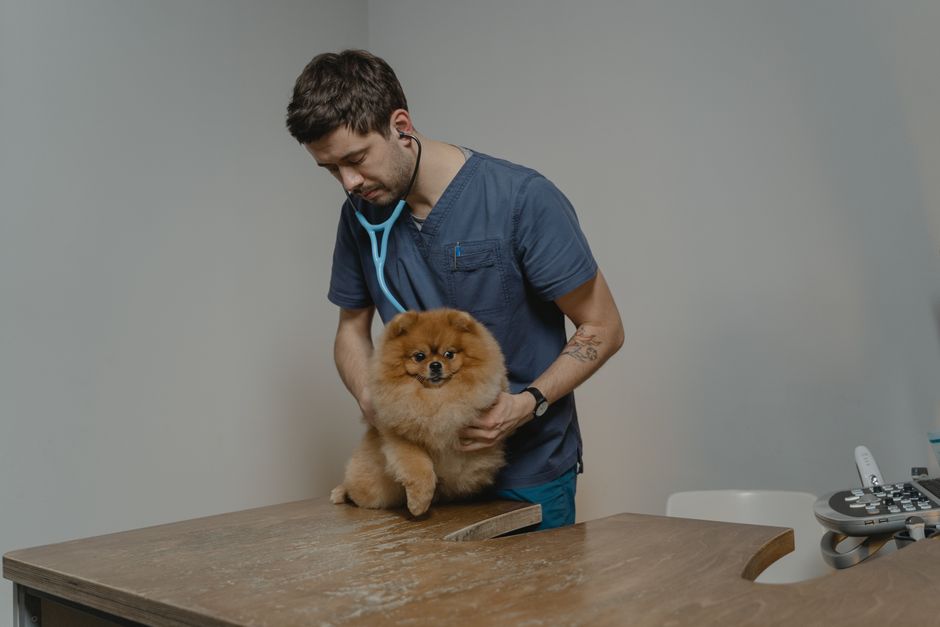
If you bring your pet to Wag Animal ER for pain, our veterinary team will start with a thorough physical exam, checking for injuries, swelling, wounds, or signs of internal distress. We often use diagnostic tools such as digital radiology, ultrasound, or laboratory testing to quickly determine the cause of your pet’s pain. Immediate pain relief is always a priority—this may include safe pain medications, anti-inflammatories, or, in severe cases, intravenous pain control.
For injuries like broken bones, our veterinarians may stabilize the limb, control bleeding, and prepare your pet for surgery if necessary. Conditions such as bloat or pyometra (uterine infection) require rapid surgical intervention to save your pet’s life. When pain is due to a toxin or poison, our team will work quickly to remove the toxin, provide supportive care, and manage symptoms as the body recovers.
Our emergency veterinary care services are designed to address urgent pain and its underlying causes any time, day or night. When your family veterinarian is unavailable, or you don’t feel comfortable waiting, immediate intervention at an animal ER can make all the difference in your pet’s recovery and comfort.
What You Can Do at Home: Comfort Measures and Safety
When you suspect your dog or cat is in pain, your first instinct may be to help them feel better at home. While waiting for emergency care, you can take a few simple steps to keep your pet safe and as comfortable as possible. Encourage your pet to rest in a quiet, familiar area away from children and other animals. Offer fresh water and easy access to their favorite resting spot. If your pet has an obvious wound, try to prevent licking or scratching, but do not attempt to clean or treat deep wounds at home unless instructed by a veterinarian.
Never give human pain medications to your pet, as many common drugs like ibuprofen, acetaminophen, or aspirin are highly toxic to dogs and cats. Avoid handling your pet excessively, as this can worsen injuries or stress. If your cat is hiding, do not force them from their safe spot; instead, monitor their breathing, comfort, and ability to use the litter box.
For sudden limping, swelling, or possible broken bones, do not attempt to splint the limb yourself. If your pet is vocalizing in pain or cannot walk, transport them gently using a blanket as a stretcher if necessary. Cats and small dogs can sometimes be placed in a secure carrier lined with a soft towel. Always prioritize your safety, as even the gentlest pets may bite or scratch when in severe pain.
When to Seek Immediate Veterinary Care for Pain
Knowing when to act is critical. You should bring your pet to Wag Animal ER immediately if you see any of the following: severe or unrelenting pain, sudden inability to walk or stand, collapse, persistent vomiting or diarrhea, visible wounds or bleeding that does not stop with gentle pressure, painful or distended abdomen, difficulty breathing, or unresponsiveness. Other urgent signs include pale or blue gums, seizures, or signs of toxin ingestion such as excessive drooling, tremors, or sudden behavioral changes.
If you are unsure but feel something is seriously wrong, trust your instincts. Our emergency veterinary care team is always here to help, whether it’s the middle of the night, a weekend, or a holiday. No appointment is needed, and walk-ins are always welcome at our San Diego location. In true emergencies, rapid care can mean the difference between a full recovery and lasting complications.
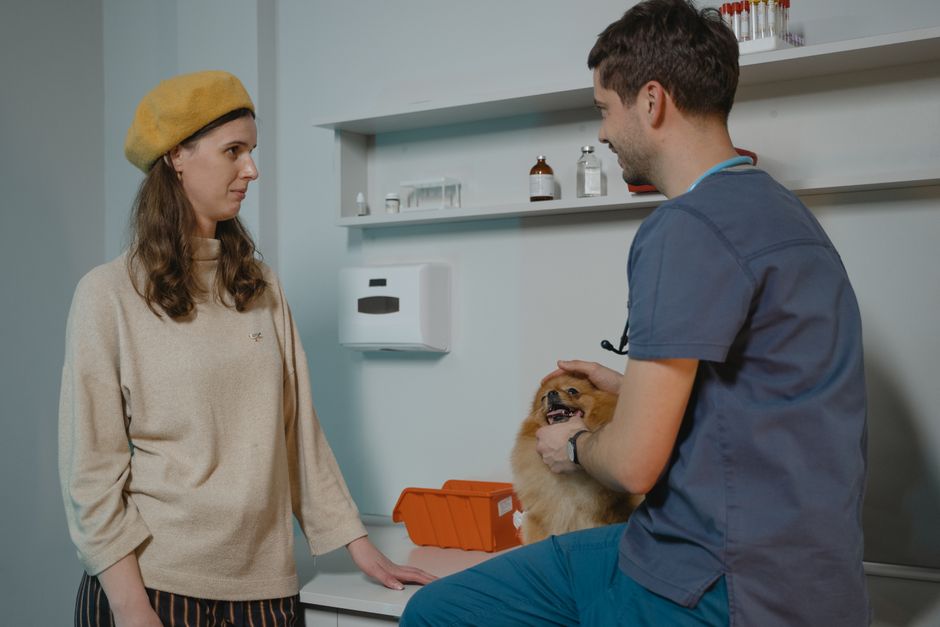
If you are ever in doubt, call our veterinary team for guidance. Describe your pet’s symptoms, how long they have been occurring, and any changes in behavior or breathing. We can advise whether your pet should be seen immediately or if there are steps you can take while on your way to the hospital.
Supporting Your Pet’s Comfort: Prevention and Ongoing Care
While emergencies can strike unexpectedly, some steps can help reduce your pet’s risk of painful incidents. Schedule regular checkups with your family veterinarian to catch issues like dental disease, arthritis, or obesity before they become emergencies. Pet-proof your home by keeping medications, plants, and small objects out of reach. In cats, use secure window screens to prevent dangerous falls; in dogs, supervise play and avoid letting them roam off-leash near roads or wildlife.
Feed a balanced diet, provide regular exercise suited to your pet’s ability, and monitor for changes in mobility or behavior. Early detection of subtle pain, such as reluctance to jump or play, can help you intervene before a crisis develops. Maintain a calm environment, and never hesitate to reach out for advice if you notice something unusual.
Remember, even with the best preventive care, emergencies still happen. The most important thing is to be prepared, know the signs, and have a plan for where to go in an emergency.
Finding Emergency Help “Near Me”: Your Trusted Partner in Urgent Pet Care
Recognizing pain in your dog or cat—and knowing how to respond—can be life-saving. At Wag Animal ER, we are committed to providing expert, compassionate, and immediate care for pets and families across San Diego and surrounding communities. Our emergency hospital at 12880 Rancho Peñasquitos Blvd Suite B, San Diego, CA 92129 is open nights, weekends, and holidays. Walk-ins are always welcome, and no appointment is needed—because emergencies don’t wait for regular business hours.
If you are searching for an “emergency vet near me,” let our veterinary professionals be your first call when pain strikes without warning. For more information about what to expect and how we can help, visit our page on emergency veterinary care. If you have questions or are concerned about your pet’s pain, contact Wag Animal ER at (858) 877-9301 or come directly to our hospital. We are here to provide comfort, support, and skilled emergency medicine when your pet needs it most—because your family deserves nothing less.