
Toxic Plants In San Diego: Emergency Pet Dangers in June


Toxic Plants In San Diego: Emergency Pet Dangers in June
When summer arrives in San Diego, our gardens and landscapes come alive with color and fragrance. While these seasonal blooms are beautiful, many common plants in our area pose a serious risk to dogs and cats—especially in June, when growth is at its peak and curious pets are more likely to explore the outdoors. At Wag Animal ER, we see a sharp rise in plant poisoning cases every summer. We understand how frightening it is to realize your beloved pet may have ingested something dangerous. As a family-owned emergency animal hospital located at 12880 Rancho Peñasquitos Blvd Suite B, San Diego, CA 92129, our mission is to provide immediate, compassionate care when the unexpected happens. Walk-ins are always welcome—no appointment needed—so you can bring your pet in for urgent help any time during our extended hours, including nights and weekends.
In this blog, we’ll guide you through the most common toxic plants threatening pets in San Diego during June, the warning signs of plant poisoning, what to do if your dog or cat is exposed, and how our emergency veterinary team can help. If you’re in San Diego or surrounding communities like Torrey Highlands, Torrey Ridge, or Carmel Valley, this information is especially important to keep your pets safe this season.
Recognizing Plant Poisoning in Dogs and Cats
Pets are naturally curious, and a single nibble on the wrong plant can quickly become a medical emergency. Recognizing the early signs of poisoning can make all the difference in your pet’s outcome. Symptoms of plant toxicity in dogs and cats vary depending on the plant ingested, but common warning signs include sudden vomiting or diarrhea; drooling or foaming at the mouth; loss of appetite; lethargy or weakness; and, in severe cases, seizures, tremors, or collapse. Some toxins specifically affect the heart, kidneys, or nervous system, leading to signs like abnormal heart rhythms, increased thirst, or unsteady walking.
For example, a cat who chews on lilies may develop vomiting, lack of appetite, and increased urination within hours; left untreated, this can progress to kidney failure. Dogs who ingest sago palm seeds may start with vomiting and progress to liver damage and neurological symptoms. If you notice your pet exhibiting any unusual behavior or symptoms after being outside or near plants, don’t wait—prompt action is crucial.
Why Are San Diego Pets at Risk in June?
San Diego’s mild climate means many plants thrive year-round, but June brings a burst of growth that increases exposure risk. Gardens, parks, and even hiking trails are filled with both native and ornamental plants, some of which are extremely toxic to pets. Dogs and cats are drawn to new scents and textures. Young animals, in particular, may explore by chewing on leaves or flowers, while bored indoor cats might play with bouquets or potted plants.
Popular landscaping choices such as sago palm, oleander, lilies, azaleas, and cycads are all hazardous. During June, these plants are often in full bloom, making them more attractive and accessible to pets. Additionally, seasonal garden maintenance—like mulching or planting—can disturb bulbs and roots, further increasing the chance your pet will encounter something dangerous. In San Diego and its surrounding communities, the prevalence of these plants and the year-round outdoor lifestyle combine to create a higher risk, especially as families spend more time outside with their pets in early summer.
The Most Dangerous Plants for San Diego Pets in June
While many plants can cause mild stomach upset, a handful are especially dangerous and frequently lead to emergency veterinary visits in June. Sago palm is among the most toxic; every part of this plant, especially the seeds, contains cycasin, which can cause rapid liver failure in dogs. Oleander, common in local landscaping, can cause deadly heart arrhythmias even with small ingestions. All parts of lilies (including Easter, tiger, and Asiatic lilies) are extremely toxic to cats, often leading to fatal kidney failure. Azaleas and rhododendrons can result in vomiting, diarrhea, and dangerously low heart rates in both dogs and cats. Other hazards include foxglove, which affects the heart, and cycads, which are prevalent in San Diego gardens.
It’s also important to remember that even less dramatic plants—such as kalanchoe, dieffenbachia, and pothos—can cause significant oral irritation, drooling, and gastrointestinal upset. With so many tempting plants within reach, it’s no wonder June is a busy month for emergency veterinary teams.
What Happens During Emergency Treatment for Plant Poisoning?
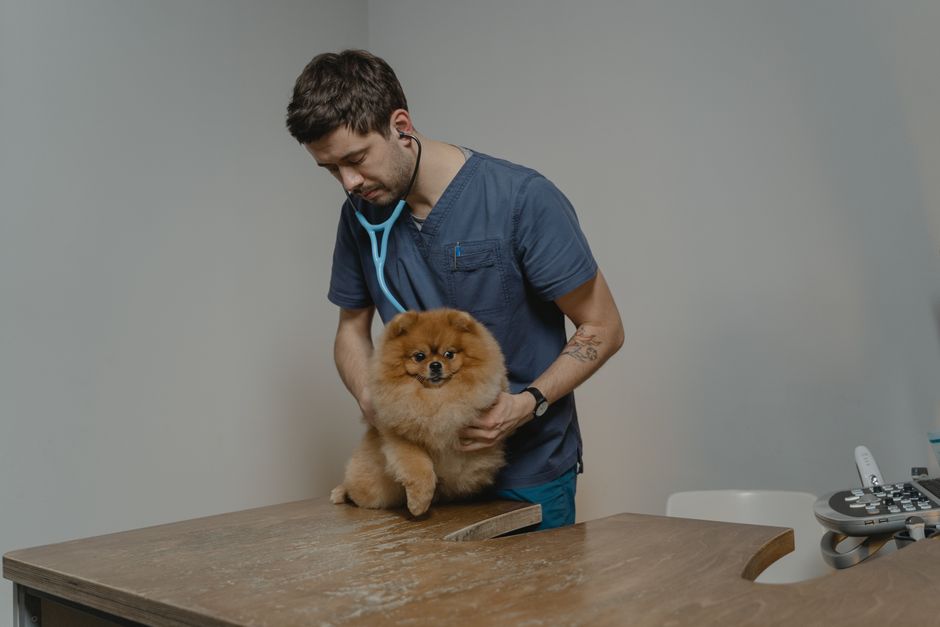
If your pet is exposed to a toxic plant, immediate veterinary care is essential. When you arrive at Wag Animal ER, our veterinarians will quickly assess your pet’s condition and determine the best course of action. Treatment often begins with stabilizing your pet if they are showing severe symptoms like seizures, breathing difficulties, or collapse. Diagnostic steps may include blood work, urinalysis, or imaging to evaluate organ function and identify complications.
Depending on the timing and plant involved, our team may induce vomiting to prevent further absorption, administer activated charcoal to bind remaining toxins, or begin intravenous fluids to support the kidneys and flush toxins from the system. Specific antidotes or medications may be given for certain toxins. For example, pets exposed to lilies may require aggressive IV fluids and close monitoring for kidney damage, while sago palm ingestion might call for liver protectants and intensive supportive care.
Our emergency veterinary care includes around-the-clock monitoring and advanced treatments for severe cases. We also provide clear updates and compassionate support throughout your pet’s stay. To learn more about what to expect during a poisoning emergency, visit our Toxin/Poison Ingestion emergency veterinary service page.
Steps You Can Take to Prevent Plant Poisoning at Home
While not every emergency can be prevented, there are actionable steps you can take to reduce your pet’s risk. Identify and remove highly toxic plants from your yard and home, especially sago palms, lilies, and oleander. When walking your dog in local parks or trails, keep them on a leash and redirect them if they show interest in unfamiliar plants. For indoor cats, avoid bringing home bouquets containing lilies or other toxic flowers, and be mindful of the plants you display in living spaces.
Supervise outdoor playtime, especially for young or inquisitive pets. If you’re unsure whether a plant is safe, consult your veterinarian or refer to reputable resources like the ASPCA’s animal poison control database. Regularly check your outdoor spaces for new growth or dropped seeds and flowers, which can be particularly enticing to pets exploring the yard.
When Should You Bring Your Pet to Wag Animal ER?
If you suspect or know that your dog or cat has ingested any part of a potentially toxic plant—even if your pet seems normal at first—do not wait for symptoms to develop. Time is critical; the sooner your pet receives treatment, the better their chances for a full recovery. Bring any plant material, packaging, or photos to help our veterinary professionals identify the toxin quickly. Walk-ins are always welcome at Wag Animal ER in San Diego, and no appointment is needed. We are open late nights, weekends, and holidays—when your regular vet may not be available—so you never have to wait for care in a crisis.
Symptoms such as vomiting, diarrhea, drooling, muscle tremors, seizures, weakness, rapid breathing, or collapse should be treated as emergencies. If you notice any of these signs, or if you find evidence your pet has chewed on a dangerous plant, head directly to our animal hospital. For more details about our immediate treatment options, visit our emergency veterinary care page.
Supporting San Diego Pet Owners in Every Urgent Moment
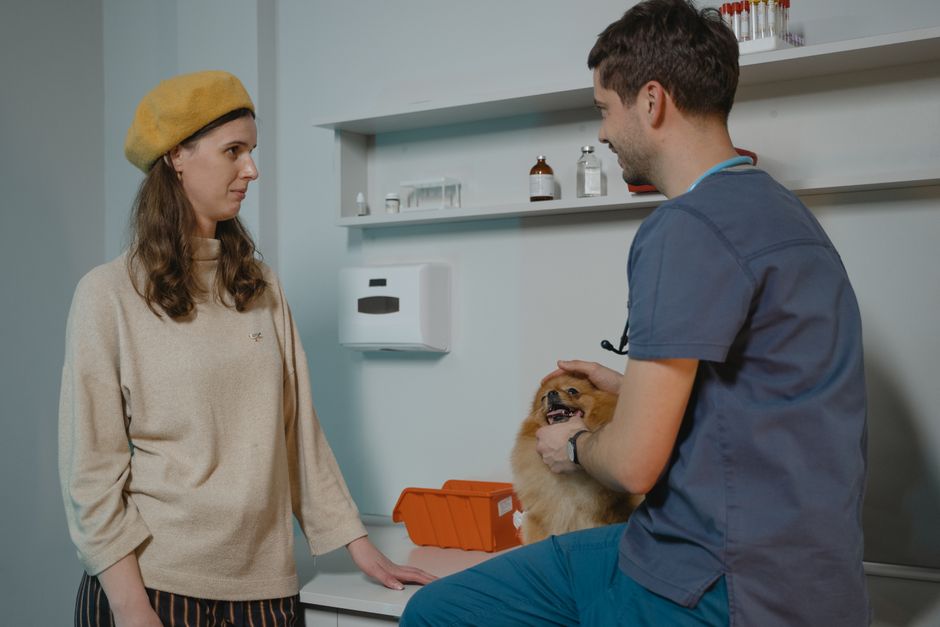
At Wag Animal ER, we know how quickly a normal day can turn into a frightening emergency. Our team of veterinarians is dedicated to providing skilled, compassionate care when your pet needs it most, offering support and guidance every step of the way. Whether you live in San Diego or one of the surrounding communities, you can count on us for expert emergency treatment during life’s most urgent moments. If you ever find yourself searching for an "emergency vet near me," remember that our doors are always open for walk-ins—no appointment necessary.
If you have questions about plant toxicity, need immediate help, or want advice on keeping your home and garden safe for pets, call our veterinary team at (858) 877-9301 or visit us at 12880 Rancho Peñasquitos Blvd Suite B, San Diego, CA 92129. For fast, reliable information and emergency care, you can also explore our Toxin/Poison Ingestion emergency veterinary service and emergency veterinary care pages online.
Your pet’s safety is our top priority. If you ever suspect a poisoning, do not hesitate—bring your pet in right away. We’re here to help your family feel safe, supported, and cared for—every single day of the year.
This blog is for informational purposes only and does not replace professional veterinary advice. If you believe your pet has been exposed to a toxic plant, seek emergency care immediately.